Common Safety Issues Found in Aging Decks, Porches, and Ramps
Local contractors can assess and repair common safety issues found in aging decks, porches, and ramps to ensure they are safe and structurally sound.
Aging decks, porches, and ramps can develop a variety of safety issues that may not be immediately obvious but can pose serious risks over time. Property owners in the area who are noticing signs of wear-such as loose railings, rotting wood, or uneven surfaces-are encouraged to explore these common safety concerns further. Addressing these issues early with the help of experienced local contractors can help prevent accidents and extend the lifespan of outdoor structures, ensuring they remain safe and functional for years to come.
Understanding the typical safety issues found in aging outdoor features can empower property owners to take proactive steps. Local service providers specializing in deck, porch, and ramp repairs are equipped to assess structural integrity, identify hidden hazards, and recommend appropriate solutions. Keep reading to learn more about these common problems and how local experts can assist in maintaining safe, secure outdoor spaces that meet your needs.
- Aging decks - local contractors can repair or replace rotting or weakened boards to prevent accidents and structural failures.
- Porches - service providers address loose or damaged railings and steps that may pose fall hazards for residents.
- Ramps - professionals can fix or reinforce worn or unstable ramps to ensure safe accessibility for all users.
- Deck supports - local pros evaluate and reinforce compromised supports to maintain stability and safety of the structure.
- Surface finishes - experts can restore or apply non-slip coatings to aging surfaces, reducing the risk of slips and falls.
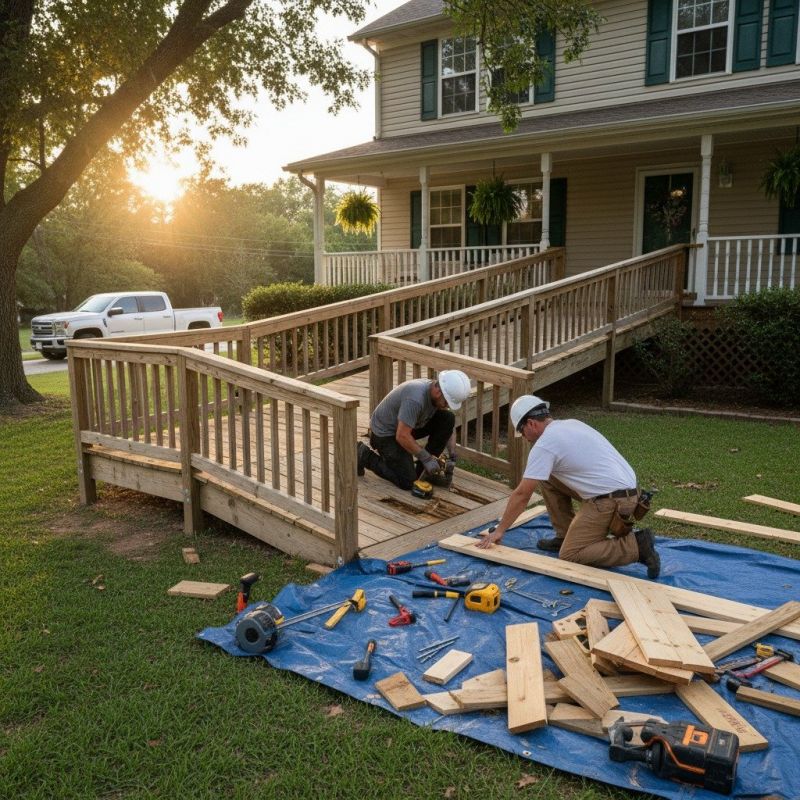
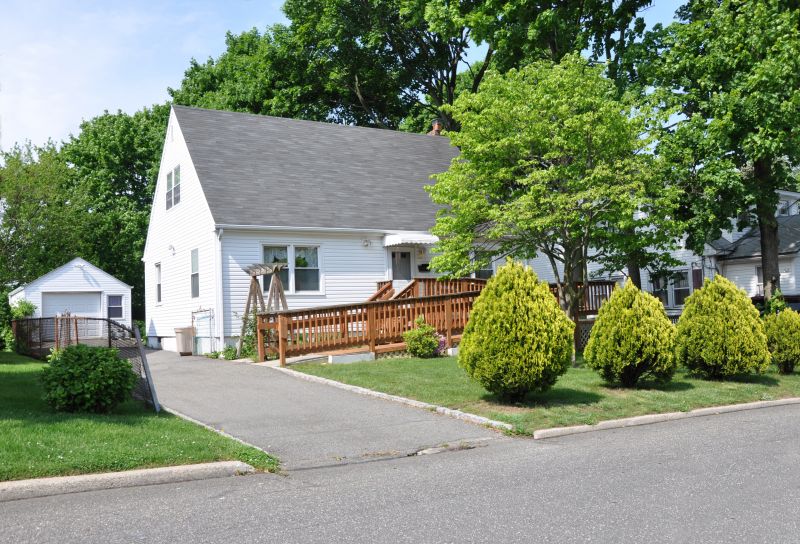
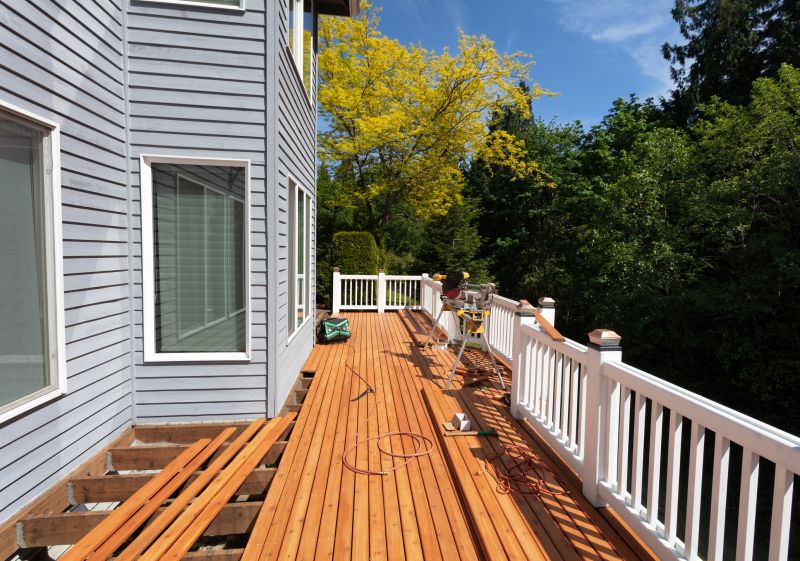
Many homeowners searching for information about common safety issues found in aging decks, porches, and ramps are typically concerned about the structural integrity and overall safety of these outdoor features. As these structures age, they can develop problems that pose risks to anyone using them. Common concerns include weakened or rotting wood, loose or missing fasteners, and deteriorated surface materials that can lead to slips, trips, or collapses. Understanding these issues helps property owners recognize when repairs or replacements are necessary to maintain a safe environment for family, friends, and visitors.
The problems related to aging decks, porches, and ramps often stem from long-term exposure to weather elements, such as rain, snow, and sun, which accelerate wear and tear. Over time, wood can rot or warp, making surfaces uneven and unstable. Metal components like nails and bolts may loosen or corrode, reducing the stability of the entire structure. Additionally, surface materials like paint or sealant can peel or crack, creating slippery spots or exposing raw wood to further damage. These issues are especially relevant for planning repairs or upgrades, as addressing them early can prevent more serious safety hazards from developing.
Properties that typically come up in discussions about aging outdoor structures include residential homes, multi-family apartment complexes, and commercial buildings with accessible ramps or outdoor seating areas. These structures often endure constant use and exposure to the elements, making them prone to safety concerns over time. Older properties with decks and porches built decades ago might not meet current safety standards without repairs or reinforcement. Homeowners and property managers should be aware of these common issues to ensure compliance with safety expectations and to protect the well-being of everyone who uses the outdoor spaces.
Local service providers specializing in aging deck, porch, and ramp repairs play a crucial role in addressing these safety issues. They can assess the condition of existing structures, identify potential hazards, and recommend appropriate solutions. Whether it involves replacing rotted wood, tightening loose fasteners, or installing new surface materials, these contractors help property owners restore safety and functionality. Connecting with experienced local pros ensures that repairs are handled properly, reducing the risk of accidents and extending the lifespan of outdoor structures. This proactive approach helps maintain safe, reliable outdoor spaces for years to come.
Wood Repair and Restoration - local contractors skilled in repairing rotted or damaged wood can address safety concerns in aging decks, porches, and ramps to prevent accidents.
Structural Reinforcement Projects - experts who specialize in reinforcing weak or compromised structures help ensure stability and safety in outdoor walkways and platforms.
Handrail and Railing Installation - service providers experienced in installing or repairing handrails and railings contribute to safer access on decks and ramps for all users.
Surface Repair and Replacement - local pros who handle surface repairs, such as replacing worn or broken decking boards, help reduce tripping hazards and improve safety.
Foundation and Support Pier Services - specialists who work on foundation repairs and support pier stabilization can address issues that compromise the safety of elevated structures.
Waterproofing and Drainage Solutions - contractors offering waterproofing and drainage improvements help prevent water damage that can weaken decks, porches, and ramps over time.
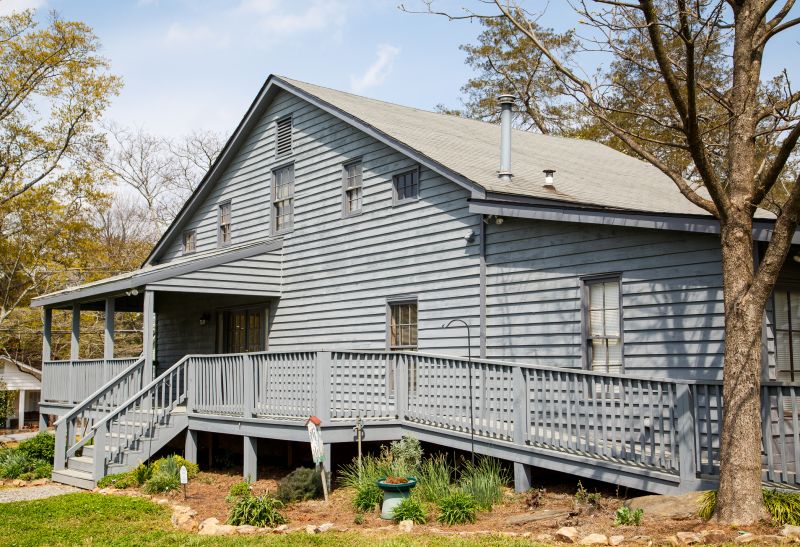
When evaluating service providers for repairs related to common safety issues found in aging decks, porches, and ramps, it is important to consider their experience with similar projects. A contractor who has a proven track record handling repairs for structures with comparable materials, designs, or age-related concerns can offer valuable insight into potential issues and effective solutions. Asking about past projects or reviewing portfolios can help determine whether a contractor has the necessary background to address the specific safety challenges associated with aging outdoor structures.
Clear written expectations are essential when comparing local contractors for deck, porch, and ramp repairs. A reputable service provider should be able to provide a detailed scope of work, outlining what repairs will be performed and how safety concerns will be addressed. This clarity helps ensure that both parties share an understanding of the project’s scope and reduces the risk of misunderstandings or incomplete repairs that could compromise safety. Well-defined expectations also facilitate smoother communication throughout the project, making it easier to track progress and verify that safety issues are being properly resolved.
Reputable references and good communication are key factors in selecting a reliable contractor for aging deck, porch, and ramp repairs. Service providers with positive references from previous clients can offer reassurance about their ability to deliver quality work and handle safety concerns effectively. Additionally, a contractor who communicates clearly and promptly about project details, potential issues, and next steps demonstrates professionalism and attentiveness. This openness is particularly important when addressing safety issues, as it ensures that homeowners are well-informed about the repair process and any necessary follow-up to maintain the safety and integrity of their outdoor structures.
Property owners often search for common safety issues found in aging decks, porches, and ramps when they are planning practical projects around their homes and businesses. Local pros provide Aging Decks, Porches, and Ramps Repair services for everyday jobs and straightforward project options.
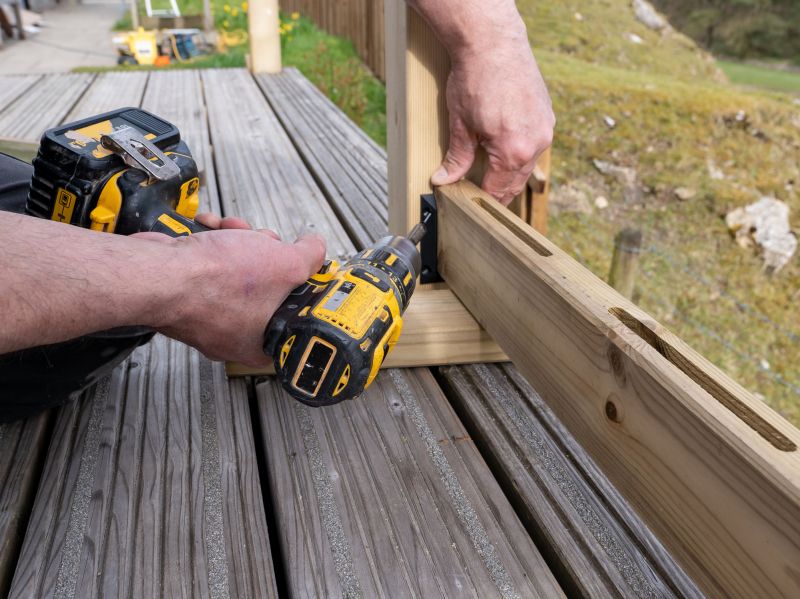
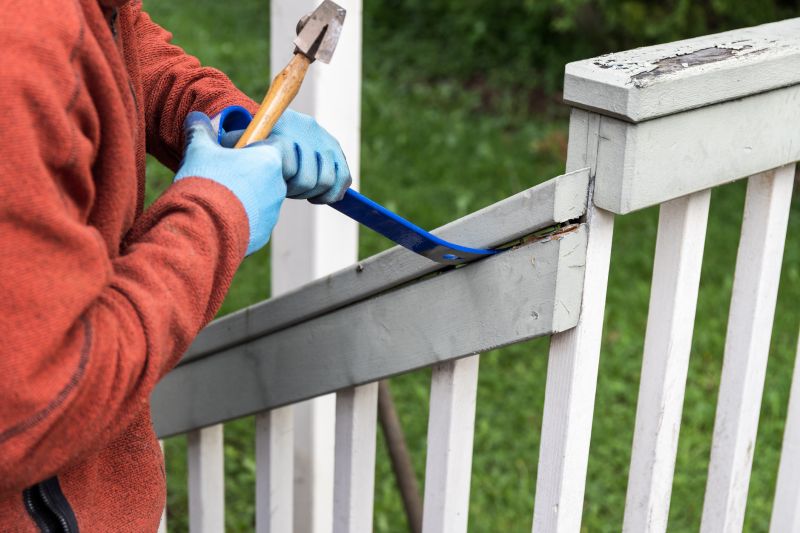
Aging decks, porches, and ramps often develop safety issues that can pose risks to residents and visitors. Common problems include rotting wood, loose or unstable boards, and deteriorating railings, which can lead to trips, falls, or structural failure. Property owners noticing sagging surfaces, wobbling handrails, or cracked decking should consider professional repair services to address these hazards before they worsen. Local contractors experienced in aging structure repairs can evaluate the condition of these outdoor features and recommend suitable solutions to restore safety and stability.
Many property owners in the area seek repair services to tackle common safety issues found in aging decks, porches, and ramps. These issues often stem from exposure to weather, natural wear, and lack of maintenance over time. Service providers can handle repairs such as replacing damaged wood, reinforcing support beams, and securing loose fasteners. Addressing these concerns promptly helps prevent accidents and ensures that outdoor spaces remain safe and functional for everyday use. Connecting with local experts can provide the necessary expertise to manage these repairs efficiently and effectively.
What are common structural issues in aging decks, porches, and ramps? Common safety issues include rotting wood, loose or broken boards, and deteriorated support beams that can compromise stability and safety.
How can I identify potential tripping hazards on an aging porch or ramp? Look for uneven surfaces, loose railings, and protruding nails or screws, which can create tripping risks and should be addressed by local contractors.
What signs indicate that a deck or ramp may be unsafe due to weather-related damage? Signs include rusted or weakened fasteners, swollen or cracked wood, and corrosion, all of which can reduce the structural integrity of the structure.
Why is railing stability important on aging decks and ramps? Properly secured and stable railings are essential to prevent falls, especially for individuals with mobility challenges or during wet conditions.
How do local service providers help address safety issues in aging decks, porches, and ramps? They assess the condition of the structures, identify safety hazards, and perform repairs or replacements to ensure the safety and stability of the structures.
Structural integrity assessments - property owners can have local contractors evaluate decks, porches, and ramps for signs of rot or damage that compromise safety.
Surface repairs and replacements - fixing loose or broken boards, handrails, and support posts helps prevent accidents and falls on aging structures.
Non-slip surface applications - applying slip-resistant coatings or mats can improve traction on worn or weathered surfaces, reducing slip hazards.
Handrail and railing upgrades - installing sturdy, code-compliant handrails and guardrails ensures safe use for all users, especially on ramps and elevated areas.
If you are thinking about common safety issues found in aging decks, porches, and ramps for a property, this guide is meant to help you understand this topic, the typical project types, and how different options might fit your plans.
When you are ready, you can use the quote form on this page to share a few details about your project. From there, local pros can review the basics and follow up with options that match what you have in mind.